The Future of Shopping in a Digital World
 0
0
 0
0
Shopping is evolving rapidly as digital technologies reshape how people discover, evaluate, and purchase products. What once required visiting multiple physical stores can now be completed within minutes using connected devices. As innovation continues to accelerate, the future of shopping is becoming more personalized, automated, immersive, and convenient than ever before.
Consumers are no longer just buyers—they are active participants in an intelligent retail ecosystem designed around speed, flexibility, and experience.
The Rise of Hyper-Personalized Shopping Experiences 🎯
Personalization is becoming one of the defining features of digital retail. Advanced systems analyze browsing behavior, preferences, and purchase history to recommend products tailored to individual needs.
Future personalization trends include:
- Customized product suggestions in real time
- Individualized pricing offers and promotions
- Personalized storefront layouts on apps and websites
- Smart reminders for repeat purchases
This level of customization helps shoppers save time while improving satisfaction and confidence in buying decisions.
Augmented and Virtual Reality Will Redefine Product Interaction 🧩
Digital environments are making it easier for customers to explore products before purchasing them. Augmented reality (AR) and virtual reality (VR) allow shoppers to interact with items in ways that were once impossible outside physical stores.
Expected developments include:
- Virtual clothing try-ons
- Digital home furniture placement previews
- Interactive 3D product demonstrations
- Immersive virtual shopping malls
These technologies reduce uncertainty and improve the overall shopping experience.
Artificial Intelligence Will Power Smarter Decisions 🤖
Artificial intelligence is already transforming online retail, but its future impact will be even deeper. AI systems will continue improving how retailers predict demand and assist customers during purchases.
Examples of AI-driven advancements include:
- Smart virtual shopping assistants
- Predictive product recommendations
- Automated inventory optimization
- Faster customer support through intelligent chat systems
AI helps create smoother, faster, and more responsive shopping journeys.
Voice Commerce Will Become More Common 🎙️
Voice-enabled devices are changing how people search for and reorder products. Instead of typing, shoppers can simply speak commands to complete purchases.
Benefits of voice-based shopping include:
- Hands-free product searches
- Quick repeat ordering of essentials
- Accessibility for elderly users
- Faster navigation through digital stores
As voice recognition improves, this method will become a routine part of everyday shopping.
Contactless and Biometric Payments Will Dominate Transactions 💳
Payment technology is shifting toward safer and faster authentication systems. Traditional checkout steps are gradually being replaced by seamless verification methods.
Future payment trends may include:
- Facial recognition payments
- Fingerprint-based authentication
- Invisible checkout systems
- Expanded mobile wallet usage
These innovations reduce waiting time while strengthening transaction security.
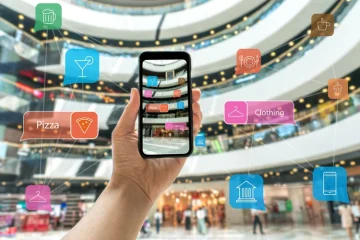
Smart Stores Will Blend Physical and Digital Experiences 🏬
Physical retail spaces are not disappearing—they are evolving into interactive environments supported by technology.
Future smart store features may include:
- Automated checkout without queues
- Digital shelves updating prices instantly
- Smart mirrors for clothing previews
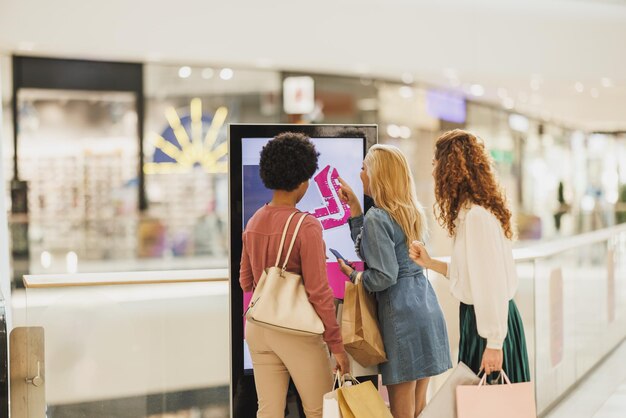
- Indoor navigation through mobile apps
This hybrid approach combines the convenience of online shopping with the experience of in-store visits.
Social Commerce Will Continue Expanding Rapidly 📱
Social platforms are becoming powerful shopping destinations. Instead of searching separately, customers can now discover and purchase products directly through content they already consume daily.
Future developments in social commerce include:
- Live-stream shopping events
- Influencer-driven product launches
- Instant in-app purchases
- Community-based product recommendations
These features shorten the path from discovery to purchase.
Sustainable Digital Shopping Will Gain Importance 🌱
Consumers are becoming more aware of environmental impact, and technology is helping them make responsible choices.
Sustainability-focused innovations may include:
- Eco-impact product labels
- Smart delivery route optimization
- Reduced packaging through logistics improvements
- Digital receipts replacing paper versions
Responsible shopping supported by technology encourages long-term environmental awareness.
Faster Delivery Systems Will Transform Customer Expectations 🚚
Delivery speed is becoming a key factor in customer satisfaction. Future logistics systems are expected to make shipping quicker and more efficient.
Emerging delivery improvements include:
- Same-day delivery becoming standard
- Automated warehouse systems
- Drone-assisted logistics trials
- Real-time delivery tracking accuracy
As delivery improves, convenience will remain a major driver of digital retail growth.
Data Security Will Become a Top Priority 🔐
As digital shopping expands, protecting customer information becomes essential. Retailers are investing heavily in secure technologies to maintain trust.
Important security developments include:
- Stronger encryption systems
- Multi-factor authentication
- Fraud detection powered by machine learning
- Transparent privacy controls for users
Secure platforms will play a critical role in shaping consumer confidence in the future marketplace.
The Future Shopping Experience Will Be Seamless and Connected 🚀
The next generation of shopping will focus on removing barriers between discovery, decision-making, payment, and delivery. Customers will move smoothly between devices, platforms, and physical stores without interruption.
Expected characteristics of future retail include:
- Faster purchase journeys
- Smarter recommendations
- Flexible delivery choices
- Greater personalization
- Enhanced security standards
Digital transformation is not replacing traditional retail—it is enhancing it to meet modern expectations.
Frequently Asked Questions (FAQs)
1. What makes digital shopping different from traditional shopping?
Digital shopping allows customers to browse products, compare prices, and complete purchases anytime using internet-connected devices.
2. How will automation affect the retail workforce in the future?
Automation may change job roles but will also create opportunities in technology management, customer experience design, and logistics operations.
3. Will physical stores still exist in the future?
Yes, physical stores are expected to evolve into smart retail spaces that combine digital tools with in-person experiences.
4. How can customers prepare for future digital shopping trends?
Learning to use mobile payment systems, secure apps, and online comparison tools can help shoppers adapt easily.
5. What role will faster internet technologies play in digital retail growth?
High-speed internet enables smoother browsing, quicker transactions, and improved immersive experiences like AR shopping.
6. How will subscription-based shopping models grow in the future?
Subscription services are likely to expand for essentials, digital products, and personalized deliveries based on customer habits.
7. Why is transparency becoming important in future digital retail platforms?
Customers increasingly expect clear pricing, ethical sourcing information, and data privacy assurance when making purchase decisions.