How Technology Is Transforming Shopping
 0
0
 0
0
Shopping today looks very different from what it did even a decade ago. Digital tools, intelligent systems, and connected devices are reshaping how people discover products, compare options, and make purchases. Technology is not just improving convenience—it is redefining expectations across both online and physical retail environments.
From artificial intelligence–powered recommendations to cashier-less stores, the retail experience is becoming faster, smarter, and more personalized than ever before.
The Rise of E-Commerce Platforms 🌐
Online shopping platforms have transformed how consumers interact with brands and products. With just a smartphone, customers can browse thousands of items, compare prices instantly, and place orders within minutes.
Key advantages of e-commerce include:
- 24/7 accessibility from anywhere
- Wider product variety than physical stores
- Easy price comparisons
- Doorstep delivery convenience
- Customer reviews that guide decisions
Mobile commerce has accelerated this shift even further. Today, many consumers complete entire purchases directly from their phones, making speed and simplicity central to modern shopping behavior.
Artificial Intelligence Is Personalizing the Shopping Experience 🤖
Artificial intelligence is helping retailers understand customers better than ever before. Instead of generic product suggestions, shoppers now receive recommendations tailored to their preferences, browsing habits, and purchase history.
Examples of AI-powered personalization include:
- Smart product recommendations
- Chatbots assisting customer queries instantly
- Dynamic pricing based on demand patterns
- Personalized email offers and promotions
These features create a more engaging shopping journey while saving customers time searching for relevant products.
Augmented Reality Is Enhancing Product Visualization 👓
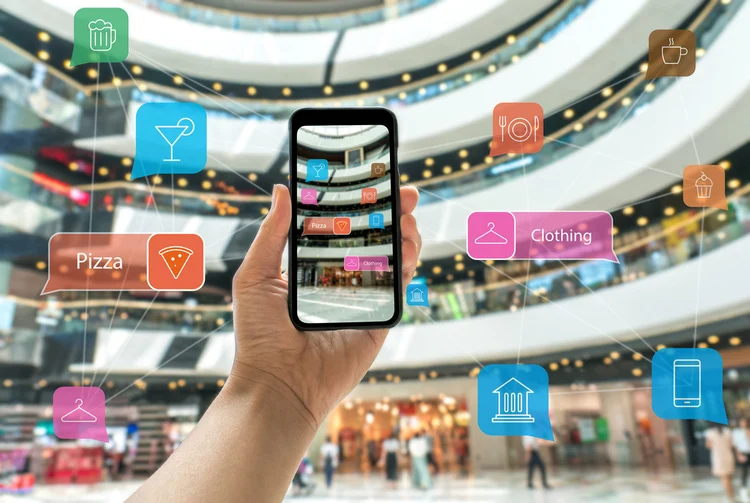
Augmented reality (AR) allows shoppers to “try before they buy” without visiting a store. This technology helps customers visualize products in real-world settings through their smartphones.
Common AR shopping uses include:
- Trying on clothing virtually
- Testing furniture placement inside homes
- Previewing makeup shades on faces
- Viewing electronics in 3D models
By reducing uncertainty, AR increases purchase confidence and lowers return rates.
Contactless Payments Are Making Transactions Faster 💳
Payment technology has evolved rapidly, making checkout processes smoother and more secure. Contactless payment methods are now widely preferred because they eliminate delays and physical interaction.
Popular payment innovations include:
- Tap-to-pay cards
- Mobile wallets
- QR-based payments
- Biometric authentication systems
These options improve transaction speed while strengthening security through encryption and identity verification.
Smart Stores Are Blending Physical and Digital Retail 🏬
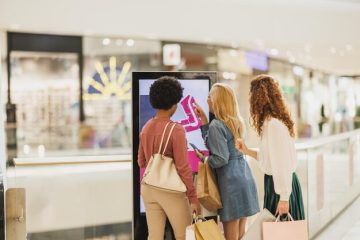
Traditional stores are becoming smarter through digital integration. Retailers now use sensors, analytics tools, and automated checkout systems to enhance the in-store experience.
Smart store features often include:
- Self-checkout kiosks
- Digital price displays
- Real-time inventory tracking
- Smart mirrors for apparel trials
- Location-based offers inside stores
This combination of convenience and personalization makes physical shopping more interactive and efficient.
Social Media Is Influencing Purchase Decisions 📱
Social platforms are no longer just communication tools—they have become powerful shopping channels. Consumers frequently discover products through influencers, brand content, and live demonstrations.
Social commerce benefits include:
- Instant product discovery
- Direct purchase links within apps
- Live product demonstrations
- Community-driven reviews
As trust shifts toward peer recommendations, social platforms continue shaping buying behavior worldwide.
Data Analytics Helps Retailers Understand Customers Better 📊
Retailers rely heavily on data analytics to predict trends and improve decision-making. By analyzing customer behavior, businesses can optimize inventory, pricing strategies, and marketing campaigns.
Data-driven retail improvements include:
- Forecasting product demand accurately
- Reducing stock shortages
- Personalizing customer experiences
- Enhancing loyalty programs
This leads to better service quality and higher customer satisfaction.
Voice Commerce Is Changing How People Shop 🎙️
Voice assistants are introducing a hands-free way to shop. Consumers can now search products, reorder essentials, and track deliveries simply by speaking commands.
Voice shopping advantages include:
- Faster product searches
- Convenience for multitasking users
- Accessibility for elderly shoppers
- Seamless repeat purchases
Although still growing, voice commerce is expected to become more common in everyday shopping routines.
Sustainable Technology Is Supporting Responsible Shopping 🌱
Technology is also helping shoppers make environmentally conscious choices. Many retailers now provide transparency about sourcing, packaging, and carbon footprints.
Examples of sustainability-focused retail technology include:
- Digital receipts replacing paper
- Eco-friendly packaging tracking
- Smart logistics reducing delivery emissions
- Product sustainability ratings
These innovations empower customers to align purchases with their values.
The Future of Shopping Is Hybrid and Customer-Focused 🚀
The modern shopping experience is no longer limited to either online or offline environments. Instead, technology is blending both worlds into a seamless hybrid model.
Customers now expect:
- Instant access to information
- Flexible delivery options
- Personalized product suggestions
- Fast and secure payments
- Smooth transitions between online and in-store shopping
Retailers that adapt quickly to these expectations are more likely to succeed in the evolving marketplace.
Frequently Asked Questions (FAQs)
1. How does technology improve customer satisfaction in shopping?
Technology enhances convenience, speeds up transactions, and provides personalized product suggestions, making shopping faster and more enjoyable.
2. What role does mobile technology play in modern shopping?
Mobile devices allow customers to browse products, compare prices, read reviews, and complete purchases anytime and anywhere.
3. Are smart stores replacing traditional retail stores?
Smart stores are not replacing traditional stores but upgrading them with digital features that improve efficiency and customer experience.
4. How do digital payments increase shopping security?
Digital payment systems use encryption, authentication tools, and biometric verification to reduce fraud risks.
5. Why is personalization important in modern retail?
Personalization helps customers discover relevant products quickly, improving satisfaction and increasing purchase confidence.
6. Can small businesses benefit from retail technology?
Yes, small businesses can use tools like online storefronts, social media marketing, and digital payments to reach wider audiences.
7. How will technology shape shopping in the next decade?
Future shopping will likely include more automation, immersive virtual experiences, smarter delivery systems, and deeper personalization powered by advanced analytics.