Jewelry Shopping Tips to Avoid Overpaying
 0
0
 0
0
Buying jewelry can feel exciting—and risky at the same time. Prices vary widely, sales tactics can be persuasive, and it’s easy to spend more than necessary without realizing it. The good news is that with the right approach, you can shop confidently and get excellent value for your money.
This guide explains practical strategies that help you avoid overpaying while still choosing beautiful, authentic pieces that last.
Understand What Determines Jewelry Prices
Before stepping into a store (or browsing online), it helps to know what affects jewelry pricing. Most costs depend on materials, craftsmanship, and branding—not just appearance.
Key factors include:
- Metal purity (gold karat level, platinum content)
- Gemstone quality (cut, clarity, color, carat weight)
- Design complexity
- Brand reputation
- Retail markup
A simple-looking piece can still carry a premium price if it comes from a luxury label or includes high-grade stones.
Always Compare Prices Before Buying 🔍
Never purchase jewelry from the first store you visit unless you’ve already researched market pricing.
Smart comparison strategies:
- Check at least three sellers
- Compare both online and offline stores
- Review similar designs with identical specifications
- Look at certification details for gemstones
Even a short comparison process can reduce your spending significantly.
Learn the Basics of Gold Purity
Gold jewelry pricing depends heavily on its purity level. Understanding this prevents confusion and overpayment.
Common purity levels include:
- 24K – Pure gold (soft, rarely used for daily jewelry)
- 22K – High purity, popular in traditional jewelry
- 18K – Durable and commonly used in fine jewelry
- 14K – Stronger and more affordable option
Always verify that purity markings match the seller’s claim.
Ask About Making Charges Carefully
Making charges can vary dramatically—even between similar pieces.
Important tips:
- Ask whether charges are fixed or percentage-based
- Compare making charges across stores
- Negotiate when possible
- Choose simpler designs if budget matters
Lower making charges often mean better overall value.
Check for Hallmarks and Certifications ✔️
Certification protects you from hidden quality issues.
Look for:
- Hallmark stamps on gold jewelry
- Gemstone authenticity certificates
- Warranty documentation
- Return and exchange policies
Certified jewelry holds better resale value and ensures transparency.
Avoid Impulse Buying During Store Visits
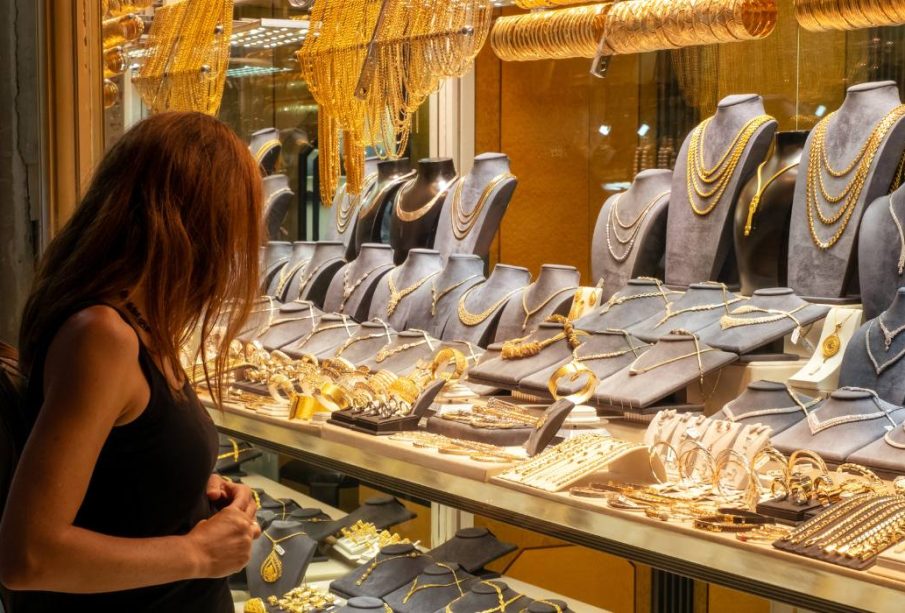
Retail lighting and presentation can make jewelry appear more attractive than it actually is. Take time to evaluate before deciding.
Helpful habits:
- Visit multiple stores
- Take photos (if allowed)
- Compare later at home
- Sleep on your decision before purchasing expensive items
Careful decisions almost always lead to smarter purchases.
Don’t Overpay for Brand Names Alone 🏷️
Luxury brands often include significant premiums unrelated to material value.
Instead:
- Compare branded vs. non-branded equivalents
- Evaluate craftsmanship closely
- Prioritize durability and authenticity
Sometimes independent jewelers provide equal quality at lower prices.
Time Your Purchase Strategically
Jewelry pricing can change depending on timing.
Best opportunities include:
- Festive season promotions
- End-of-season clearance sales
- Gold price dips
- Store anniversary offers
Planning purchases around these windows can reduce costs noticeably.
Consider Resale and Exchange Value
Many buyers overlook this step, but resale value matters—especially for gold jewelry.
Before buying:
- Ask about exchange policies
- Confirm buyback percentage
- Check deduction rules
- Review documentation requirements
Transparent policies protect your long-term investment.
Verify Gemstone Quality Beyond Appearance 💎
Gemstones may look similar but differ greatly in value.
Key checks include:
- Certification from recognized labs
- Natural vs. synthetic distinction
- Treatment disclosure
- Cut grading details
Never rely only on visual inspection.
Negotiate When Possible
Negotiation is common in jewelry purchases, especially for higher-value items.
You can often negotiate:
- Making charges
- Bundle discounts
- Festival pricing adjustments
- Complimentary services (cleaning or resizing)
Even small reductions add up significantly on premium purchases.
Review Return Policies Before Payment
Flexible return policies signal trustworthy sellers.
Check whether the store offers:
- Exchange options
- Refund eligibility
- Repair coverage
- Lifetime maintenance support
Clear policies reduce post-purchase stress.
FAQs About Avoiding Overpaying for Jewelry
1. Is buying jewelry online cheaper than buying in-store?
Often yes, because online sellers have lower overhead costs. However, always verify certifications and seller credibility before purchasing.
2. How can I confirm whether a gemstone is natural?
Request a recognized laboratory certificate and confirm whether the stone is untreated, treated, or synthetic.
3. Are making charges negotiable?
In many cases they are. Especially for higher-value purchases, stores may reduce charges if asked politely.
4. Does heavier jewelry always mean better value?
Not necessarily. Value depends on purity, craftsmanship, and gemstone quality—not weight alone.
5. Should I prioritize design or investment value?
If resale matters, prioritize purity and certification. If the purchase is mainly personal, design preference can take priority.
6. Is hallmarking mandatory for gold jewelry purchases?
In many regions it is required or strongly recommended because it guarantees purity verification and improves resale trust.
7. What documents should I keep after buying jewelry?
Always retain the purchase invoice, certification documents, warranty papers, and exchange policy details for future reference.